






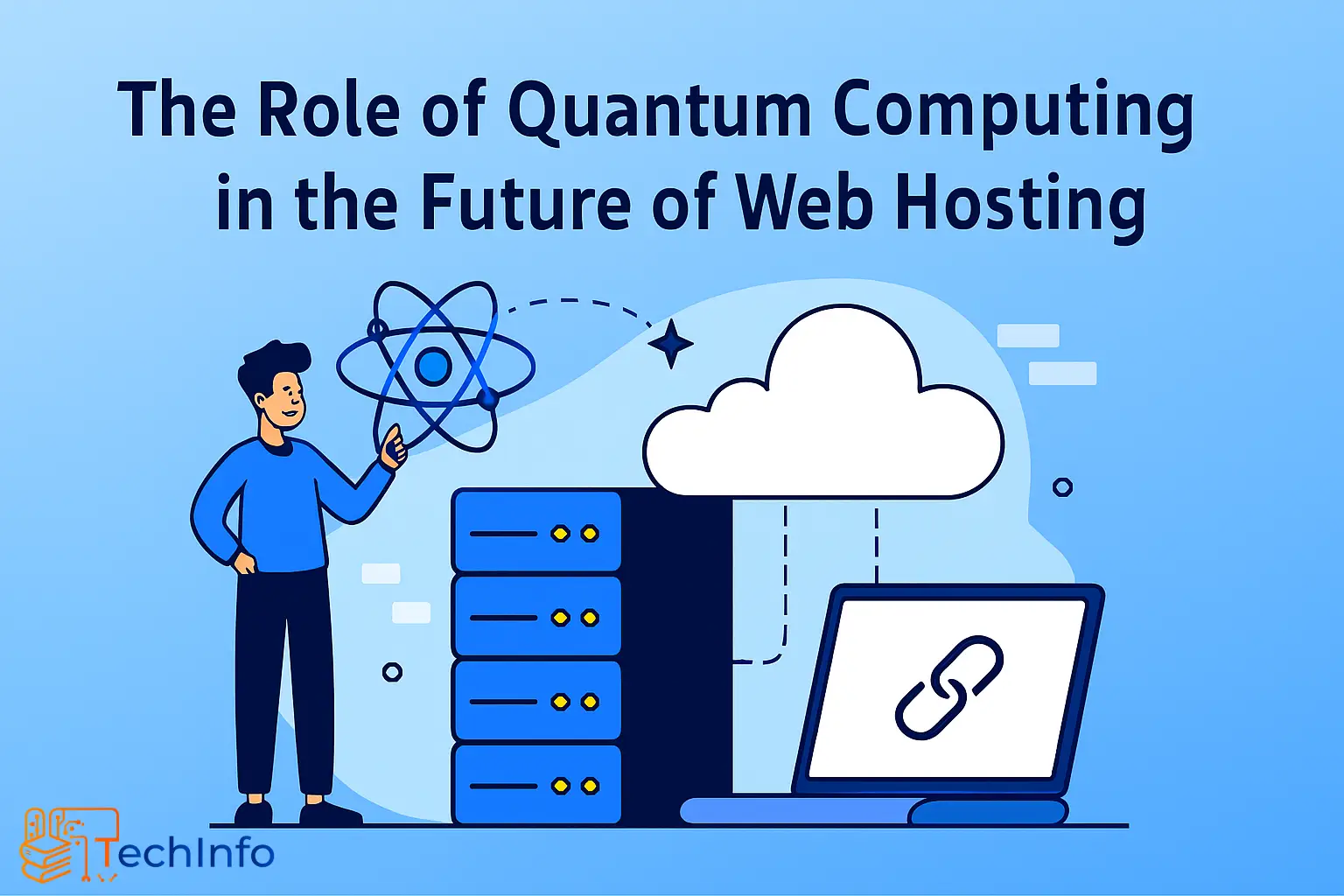
Quantum computers leverage the principles of quantum mechanics, specifically superposition and entanglement, to perform calculations exponentially faster than any classical machine for certain types of problems.
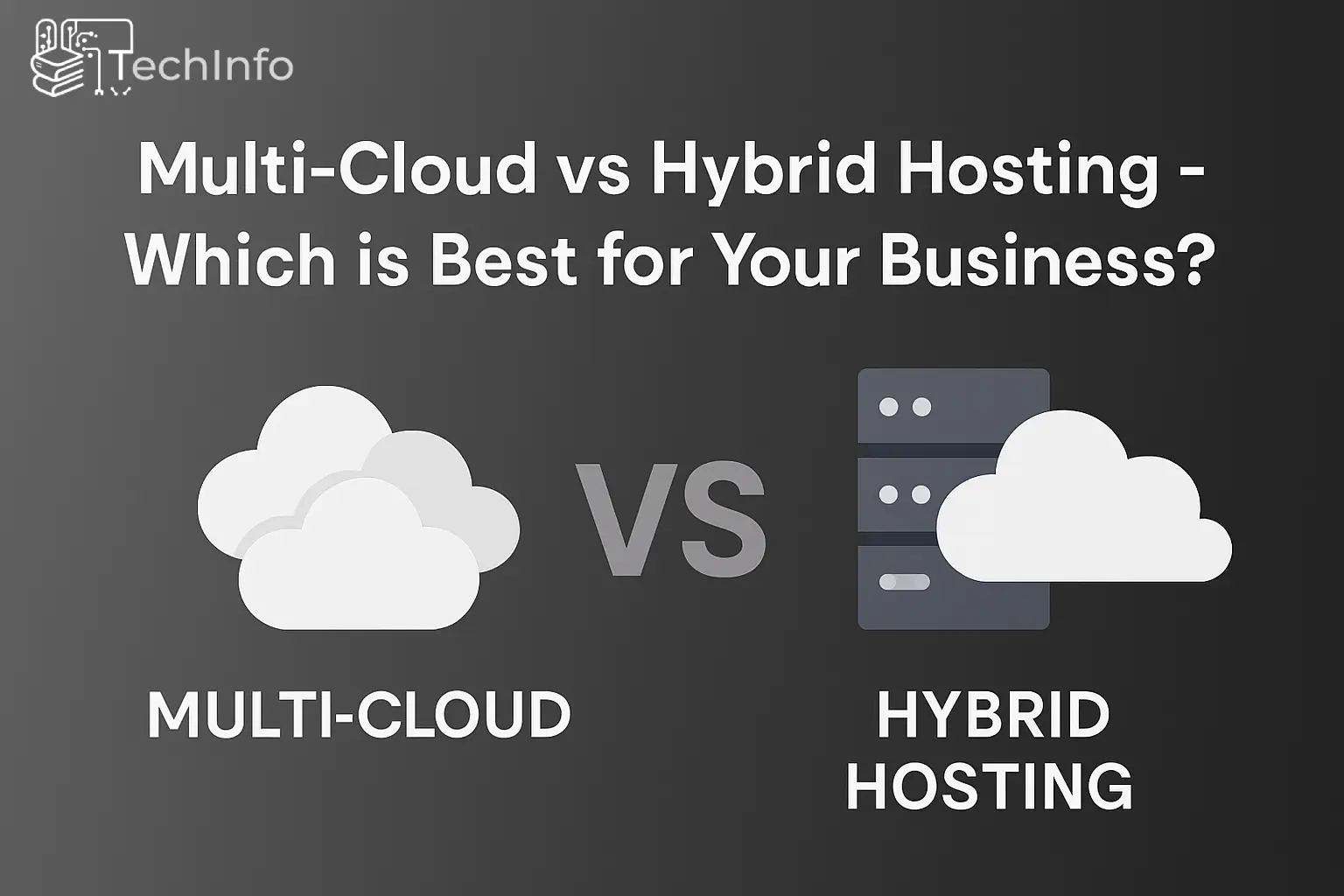
The industry has converged on two dominant, sophisticated strategies for cloud deployment: Multi-Cloud and Hybrid Hosting. While these terms are sometimes used interchangeably, they represent fundamentally different architectural philosophies, each with unique advantages for resilience, cost, and compliance.
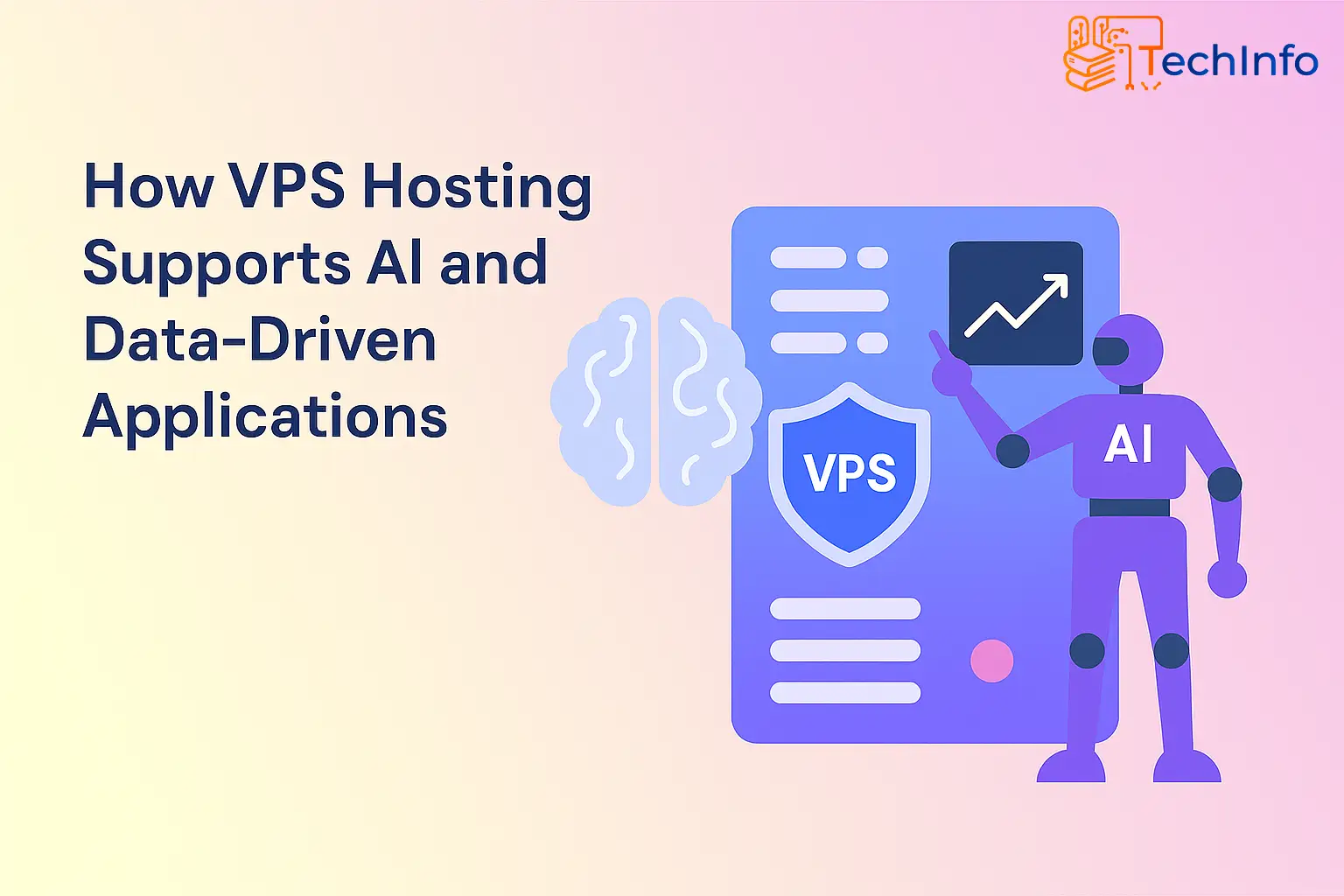
While hyperscalers offer enormous resources, the sweet spot for many businesses and developers running sophisticated AI workloads is the Virtual Private Server (VPS). In 2026, VPS hosting has evolved from a simple step up from shared hosting to a highly optimized, cost-effective, and secure platform specifically engineered to handle the unique demands of AI and data-driven applications.
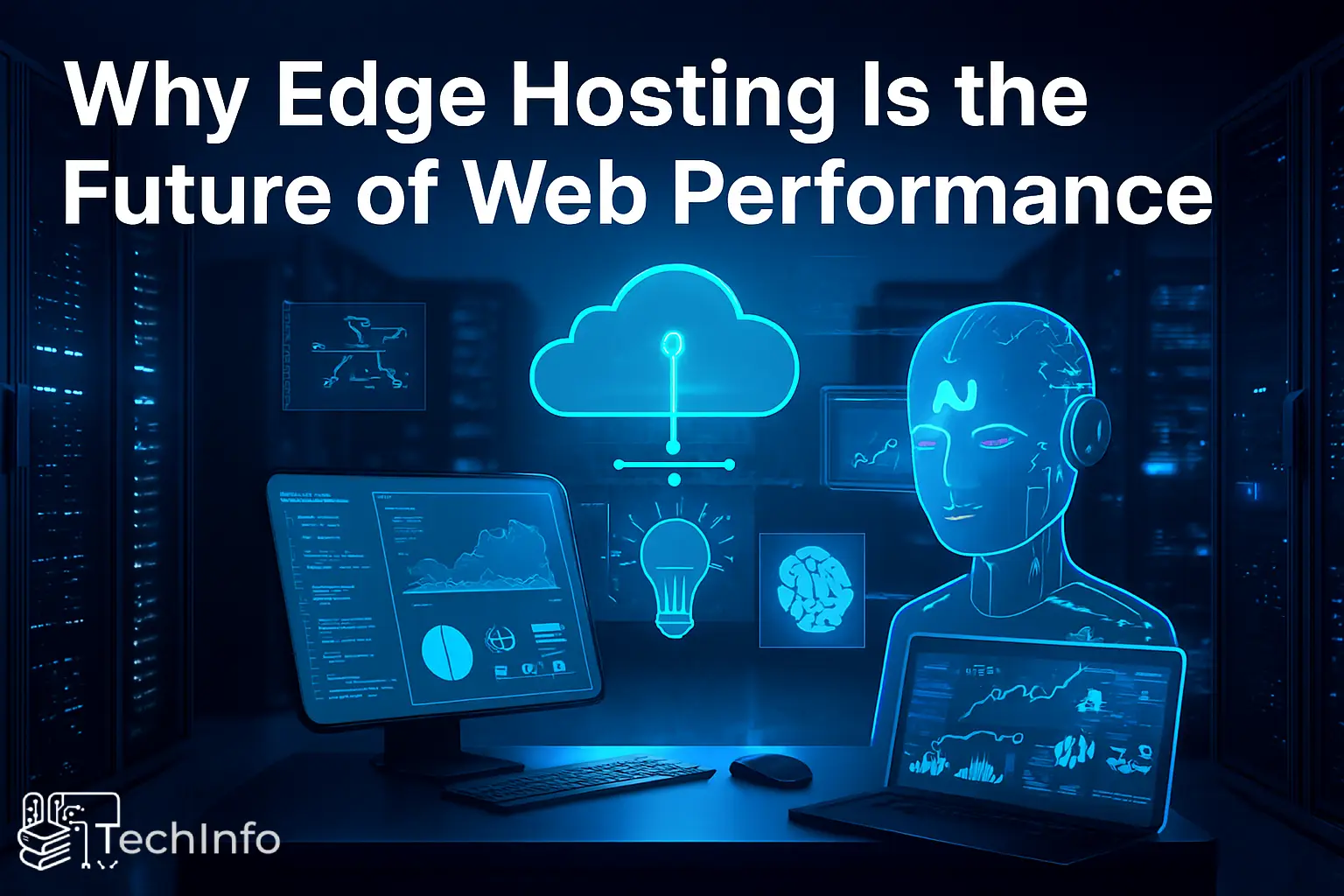
In the race for digital dominance, speed is the ultimate metric. Every millisecond shaved off a page load or transaction time directly translates into higher conversion rates, lower bounce rates, and better SEO rankings. While cloud computing successfully solved the problem of scale and availability, it could never fully solve the problem of distance.
The user experience is intrinsically linked to performance, and search engines penalize anything less than lightning-fast, reliable access. Here, we delve into the top hosting technologies that are dominating the digital space, ensuring your online presence is both fast and secure in the demanding environment of 2026.

Selecting the right web hosting plan is one of the most important decisions any business can make in 2025. Whether you’re launching a startup website or expanding your online store, your hosting service directly impacts your website’s performance, security, and reliability.
 Magyar
  English
  Română
  Български
  বাংলা
বাংলা  Deutsch